
Korg Volca Beats
Lesson 10: 80s and 90s grooves you'll recognise
Goal: program the kind of beats behind records you know. These are simplified, genre-style patterns written for a 16-step machine, not transcriptions of specific tracks. Tempos are typical ranges for each style. Listen to the suggested tracks first, then program the grid and play along to them.
Two limits to keep in mind. The Volca Beats has no velocity, so the quiet ghost notes that make real breakbeats swing are missing; and it has no swing setting, so shuffled styles such as UK garage sound straighter than the records.
The Amen-style break: early Prodigy rave and Goldie-era jungle
The Amen break, a drum solo from the Winstons’ 1969 B-side “Amen, Brother”, was chopped up and sped up across early 90s hardcore rave and jungle. One pattern works for both styles; only the tempo changes.
- Hardcore rave (about 135 to 145 BPM): listen to The Prodigy’s “Charly” (1991) and “Out of Space” (1992).
- Jungle (about 160 to 170 BPM): listen to Goldie’s Timeless (1995), including “Inner City Life”.
Use the snare (not the clap) with SNAPPY up, and give the closed hat a long DECAY so it sounds more like a ride cymbal.
| Part | 1 | 2 | 3 | 4 | 5 | 6 | 7 | 8 | 9 | 10 | 11 | 12 | 13 | 14 | 15 | 16 |
|---|---|---|---|---|---|---|---|---|---|---|---|---|---|---|---|---|
| Kick | x | . | x | . | . | . | . | . | . | . | x | x | . | . | . | . |
| Snare | . | . | . | . | x | . | . | x | . | x | . | . | x | . | . | x |
| Closed hat | x | . | x | . | x | . | x | . | x | . | x | . | x | . | x | . |
Try this: at jungle tempo, use step jump (Lesson 7) to hold steps 9 to 16 for instant chopped-break edits, which is exactly what jungle producers did with samplers.
Two-step drum and bass (about 170 BPM)
By the late 90s many drum and bass tracks moved from busy breaks to this sparser beat. Program it in a second slot and switch to it from the Amen pattern.
| Part | 1 | 2 | 3 | 4 | 5 | 6 | 7 | 8 | 9 | 10 | 11 | 12 | 13 | 14 | 15 | 16 |
|---|---|---|---|---|---|---|---|---|---|---|---|---|---|---|---|---|
| Kick | x | . | . | . | . | . | . | . | . | . | x | . | . | . | . | . |
| Snare | . | . | . | . | x | . | . | . | . | . | . | . | x | . | . | . |
| Closed hat | x | . | x | . | x | . | x | . | x | . | x | . | x | . | x | . |
Big beat: The Prodigy’s The Fat of the Land era (about 120 to 140 BPM)
Heavy, distorted breakbeats with a huge snare. Listen to The Prodigy’s “Breathe” and “Firestarter” (both 1996), plus The Chemical Brothers’ “Block Rockin’ Beats” (1997).


.jpg)
Push the kick CLICK up, keep the snare DECAY short, and run the Volca into something that distorts (a guitar pedal or a driven mixer channel) to get closer to the sound.
| Part | 1 | 2 | 3 | 4 | 5 | 6 | 7 | 8 | 9 | 10 | 11 | 12 | 13 | 14 | 15 | 16 |
|---|---|---|---|---|---|---|---|---|---|---|---|---|---|---|---|---|
| Kick | x | . | . | x | . | . | . | . | x | . | x | . | . | . | . | . |
| Snare | . | . | . | . | x | . | . | . | . | . | . | . | x | . | . | . |
| Closed hat | x | . | x | . | x | . | x | . | x | . | x | . | x | . | . | . |
| Open hat | . | . | . | . | . | . | . | . | . | . | . | . | . | . | x | . |
Early 90s rave techno: Moby’s “Go” (1991) (about 125 to 135 BPM)
Relentless four-on-the-floor kick with rapid hats. Shorten the closed hat DECAY so the 16ths don’t smear together.
| Part | 1 | 2 | 3 | 4 | 5 | 6 | 7 | 8 | 9 | 10 | 11 | 12 | 13 | 14 | 15 | 16 |
|---|---|---|---|---|---|---|---|---|---|---|---|---|---|---|---|---|
| Kick | x | . | . | . | x | . | . | . | x | . | . | . | x | . | . | . |
| Clap | . | . | . | . | x | . | . | . | . | . | . | . | x | . | . | . |
| Closed hat | x | x | . | x | x | x | . | x | x | x | . | x | x | x | . | x |
| Open hat | . | . | x | . | . | . | x | . | . | . | x | . | . | . | x | . |
The closed hat skips the steps where the open hat plays, so the open hat rings through cleanly.
Downtempo breakbeat: Moby’s Play (1999) (about 90 to 100 BPM)
Laid-back, hip hop influenced beats under samples. Listen to “Natural Blues” and “Porcelain”. Kick PITCH low and DECAY long, snare with SNAPPY turned down for a softer, rounder sound.
| Part | 1 | 2 | 3 | 4 | 5 | 6 | 7 | 8 | 9 | 10 | 11 | 12 | 13 | 14 | 15 | 16 |
|---|---|---|---|---|---|---|---|---|---|---|---|---|---|---|---|---|
| Kick | x | . | . | . | . | . | . | . | x | . | x | . | . | . | . | . |
| Snare | . | . | . | . | x | . | . | . | . | . | . | . | x | . | . | . |
| Closed hat | x | . | x | . | x | . | x | . | x | . | x | . | x | . | x | . |
| Claves | . | . | . | . | . | . | . | x | . | . | . | . | . | . | . | . |
Ministry of Sound vocal house (about 120 to 126 BPM)
The 90s club house sound of the Ministry of Sound compilations. Listen to Robin S’s “Show Me Love” and Stardust’s “Music Sounds Better with You” (1998). The Volca’s agogo and claves stand in for the Latin percussion that gives house its bounce.
| Part | 1 | 2 | 3 | 4 | 5 | 6 | 7 | 8 | 9 | 10 | 11 | 12 | 13 | 14 | 15 | 16 |
|---|---|---|---|---|---|---|---|---|---|---|---|---|---|---|---|---|
| Kick | x | . | . | . | x | . | . | . | x | . | . | . | x | . | . | . |
| Clap | . | . | . | . | x | . | . | . | . | . | . | . | x | . | . | . |
| Open hat | . | . | x | . | . | . | x | . | . | . | x | . | . | . | x | . |
| Claves | . | . | . | x | . | . | x | . | . | . | . | x | . | . | . | . |
| Agogo | . | x | . | . | . | . | . | . | . | x | . | . | . | . | . | . |
Late 90s trance (about 135 to 140 BPM)
The big-room sound that dominated the late 90s Ministry of Sound Annual compilations. Keep the crash muted and bring it in with MUTE on the first beat of a new section, because on a 16-step loop it would otherwise crash every bar.
| Part | 1 | 2 | 3 | 4 | 5 | 6 | 7 | 8 | 9 | 10 | 11 | 12 | 13 | 14 | 15 | 16 |
|---|---|---|---|---|---|---|---|---|---|---|---|---|---|---|---|---|
| Kick | x | . | . | . | x | . | . | . | x | . | . | . | x | . | . | . |
| Clap | . | . | . | . | x | . | . | . | . | . | . | . | x | . | . | . |
| Open hat | . | . | x | . | . | . | x | . | . | . | x | . | . | . | x | . |
| Closed hat | . | x | . | x | . | x | . | x | . | x | . | x | . | x | . | x |
| Crash | x | . | . | . | . | . | . | . | . | . | . | . | . | . | . | . |
Bristol trip hop: Tricky (about 80 to 100 BPM)
Slow, heavy, dusty breakbeats with lots of space. Listen to Tricky’s Maxinquaye (1995), including “Overcome” and “Hell Is Round the Corner”, and for the wider Bristol sound, Massive Attack and Portishead.



Kick PITCH low with a long DECAY, snare SNAPPY down, and PCM SPEED slowed on the claves so it sounds like a pitched-down sample. Keep the hats quiet with PART LEVEL.
| Part | 1 | 2 | 3 | 4 | 5 | 6 | 7 | 8 | 9 | 10 | 11 | 12 | 13 | 14 | 15 | 16 |
|---|---|---|---|---|---|---|---|---|---|---|---|---|---|---|---|---|
| Kick | x | . | . | . | . | . | . | x | . | . | x | . | . | . | . | . |
| Snare | . | . | . | . | x | . | . | . | . | . | . | . | x | . | . | . |
| Closed hat | x | . | x | . | x | . | x | . | x | . | x | . | x | . | x | . |
| Claves | . | . | . | . | . | . | . | . | . | . | . | . | . | . | . | x |
Try this: record a slow stutter TIME sweep on the snare with motion recording (Lesson 7) for the smeared, echoing feel of trip hop.
Big-room house: Faithless (about 125 to 135 BPM)
Driving four-on-the-floor house built for huge rooms and long builds. Listen to Faithless’s “Insomnia” (1995) and “God Is a DJ” (1998).

The signature move is the long build and drop. Start with only hats and claves, unmute the clap, then the kick, then use step jump on step 13 for a roll before bringing everything back on the 1.
| Part | 1 | 2 | 3 | 4 | 5 | 6 | 7 | 8 | 9 | 10 | 11 | 12 | 13 | 14 | 15 | 16 |
|---|---|---|---|---|---|---|---|---|---|---|---|---|---|---|---|---|
| Kick | x | . | . | . | x | . | . | . | x | . | . | . | x | . | . | . |
| Clap | . | . | . | . | x | . | . | . | . | . | . | . | x | . | . | . |
| Open hat | . | . | x | . | . | . | x | . | . | . | x | . | . | . | x | . |
| Closed hat | x | x | . | x | x | x | . | x | x | x | . | x | x | x | . | x |
| Claves | . | . | . | x | . | . | . | . | . | . | x | . | . | . | . | . |
Keep the closed hat PART LEVEL low so the 16ths drive without getting harsh.
And from the 80s
The electro recipe in Lesson 9 is the style of Afrika Bambaataa and the Soulsonic Force’s “Planet Rock” (1982), built on a Roland TR-808. Tune the kick low with a long DECAY and the toms low to get closer to that 808 boom.
Classic 80s rap
Mid-80s rap was built on drum machines such as the Roland TR-808 and Oberheim DMX, which makes it a natural fit for the Volca Beats. Two styles are worth having.
Hard and sparse (about 95 to 110 BPM). A big kick, a loud snare and almost nothing else, leaving all the space for the rapper. Listen to Run-DMC’s “Sucker M.C.’s” (1983) and “It’s Like That” (1983).
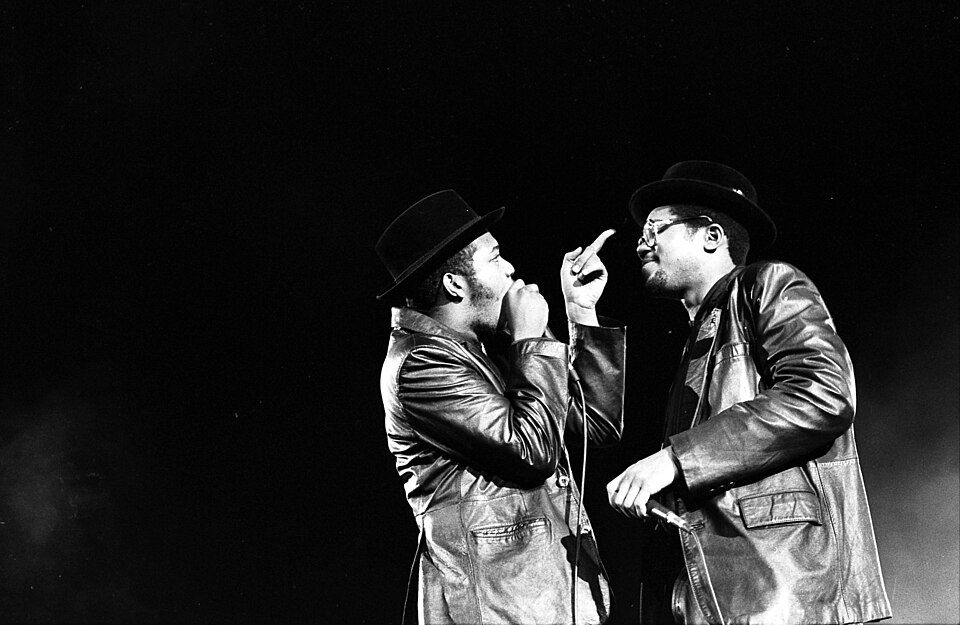


Snare DECAY long and PART LEVEL high, kick CLICK up so it punches.
| Part | 1 | 2 | 3 | 4 | 5 | 6 | 7 | 8 | 9 | 10 | 11 | 12 | 13 | 14 | 15 | 16 |
|---|---|---|---|---|---|---|---|---|---|---|---|---|---|---|---|---|
| Kick | x | . | . | . | . | . | . | x | x | . | . | . | . | . | . | . |
| Snare | . | . | . | . | x | . | . | . | . | . | . | . | x | . | . | . |
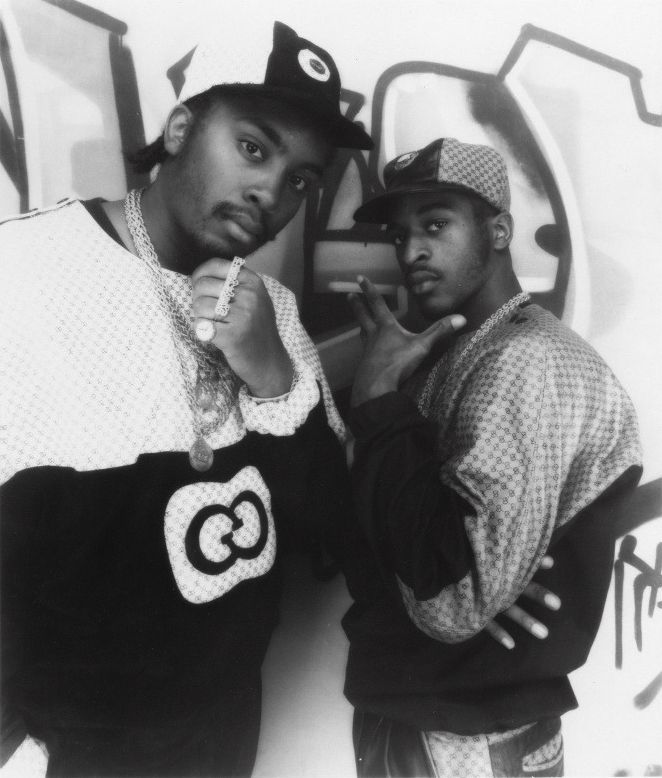
808 boom (about 90 to 105 BPM). Long, booming kick with snare and clap layered on 2 and 4, the classic 808-era combination. Listen to LL Cool J’s “I Can’t Live Without My Radio” (1985) and Eric B. & Rakim’s “Eric B. Is President” (1986).
The Beastie Boys took the 808 sound somewhere else again on Licensed to Ill (1986). Listen to “Paul Revere”, whose beat is an 808 pattern famously played backwards, and “Hold It Now, Hit It”. Program the pattern below, then try it with the kick DECAY even longer and the tempo pulled down to about 90 BPM for that lazy, heavy Beastie Boys feel.
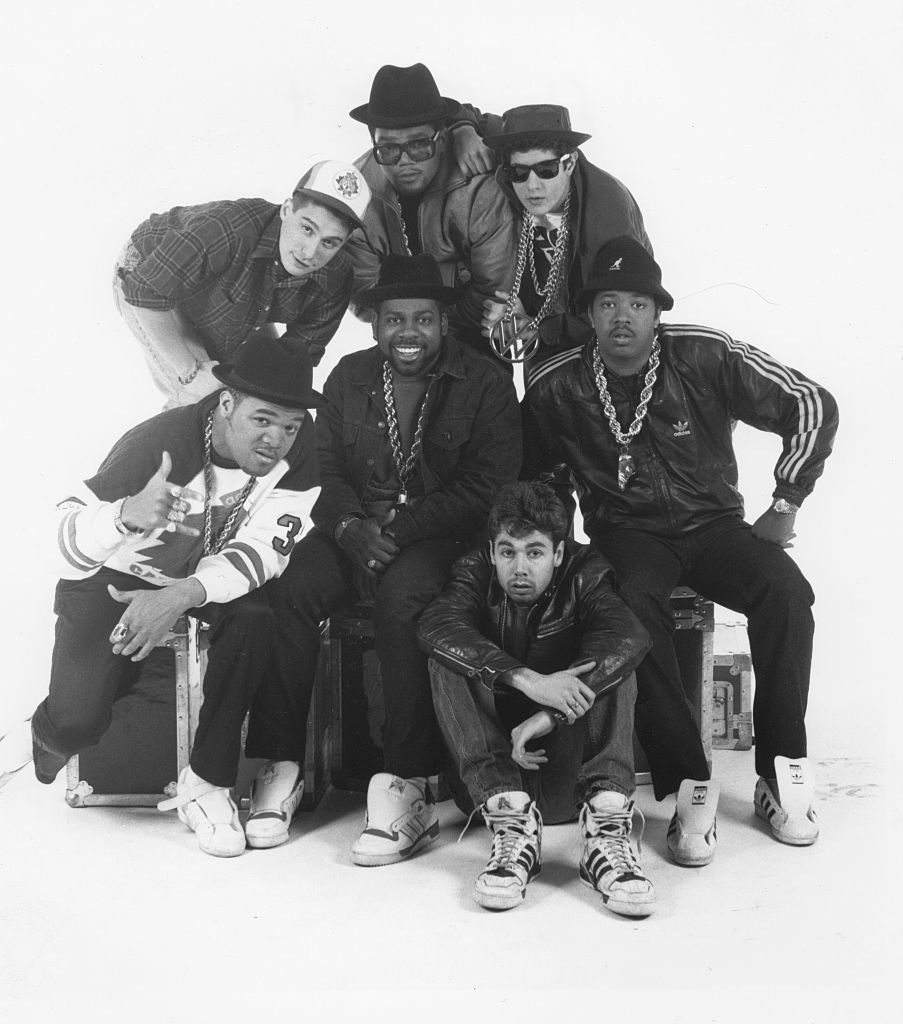

Kick PITCH low and DECAY near maximum for the 808 boom. The agogo stands in for the 808’s cowbell.
| Part | 1 | 2 | 3 | 4 | 5 | 6 | 7 | 8 | 9 | 10 | 11 | 12 | 13 | 14 | 15 | 16 |
|---|---|---|---|---|---|---|---|---|---|---|---|---|---|---|---|---|
| Kick | x | . | . | . | . | . | x | . | . | . | x | . | . | . | . | . |
| Snare | . | . | . | . | x | . | . | . | . | . | . | . | x | . | . | . |
| Clap | . | . | . | . | x | . | . | . | . | . | . | . | x | . | . | . |
| Closed hat | x | . | x | . | x | . | x | . | x | . | x | . | x | . | x | . |
| Open hat | . | . | . | . | . | . | . | . | . | . | . | . | . | . | x | . |
| Agogo | . | . | . | . | . | . | . | . | . | . | . | . | . | . | . | x |
Try this: rap or speak along over the sparse beat at about 100 BPM. It’s the quickest way to feel why so much 80s rap left the drums this bare.
Exercise 10
Pick the two styles you like most. Program each into its own memory slot, play along with the suggested tracks, and adjust the knobs until your Volca sits as close as you can get to the records.