
Course
Jazz Piano for Classical Players: A Hands-On Training Course
Read music but freeze without a score? Fourteen lessons: lead sheets, swing, voicings, blues, cool tricks, singing and drum machines.
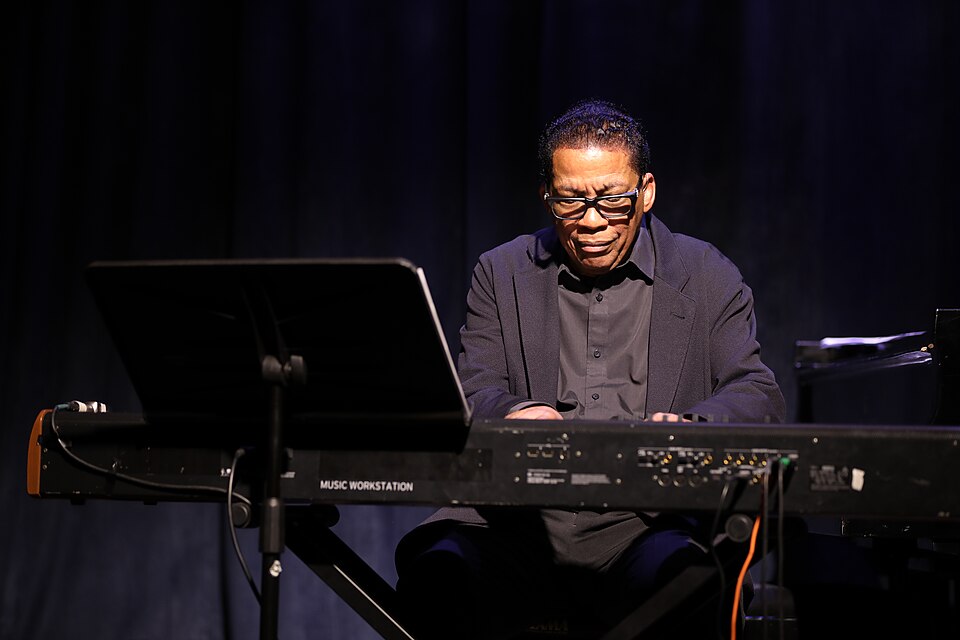
About jazz piano
- Written for adults who learnt classical piano as kids: you can read, you have technique, you just never got to leave the score
- Jazz players read a lead sheet (melody plus chord symbols) and make up the rest from a small set of chord shapes
- Four chord types and one progression (the ii-V-I) cover a surprising amount of the jazz repertoire
- Swing feel, rootless voicings and a handful of tricks do most of the work of sounding like jazz
Books, tools and lessons
- Mark Levine, The Jazz Theory Book (Sher Music) ↗
- iReal Pro: chord charts and a backing band on your phone ↗
- Jamey Aebersold play-along recordings ↗
- Jazz Tutorial: ii-V-I voicings for jazz piano ↗
- Earl MacDonald: rootless left hand voicings ↗
- Learn Jazz Standards ↗
- Background on Wikipedia: jazz piano ↗
Prefer to watch or listen?
- Universal Mind of Bill Evans (1966 documentary) ↗ BillEvansArchive
- Jazz Lesson for Classical Pianists ↗ weeklypiano
- Classical pianists learning jazz: struggles and mindset shifts ↗ JazzSkills
- The ii-V-I with shell voicings in 12 major and minor keys ↗ Play Jazz Piano
- How to Sound Like Bill Evans ↗ Noah Kellman
Lessons
- How to use this course
- From the score to a lead sheet
- Seventh chords, the jazz colour palette
- Shell voicings, your first shortcut
- The ii-V-I, the progression behind everything
- Swing feel and comping rhythms
- Rootless voicings, the Bill Evans sound
- Extensions, alterations and upper structures
- The blues
- Improvising without a score
- Tricks and shortcuts to sound cool
- Your first standard, Autumn Leaves
- Singing while you play
- A drum machine as your band
- A practice plan and where to go next
- Quick reference
- Appendix: Jazz terms