
Jazz Piano for Classical Players
Lesson 12: Singing while you play
Goal: sing a standard while accompanying yourself, without either the piano or the voice falling apart.
You’re in good company
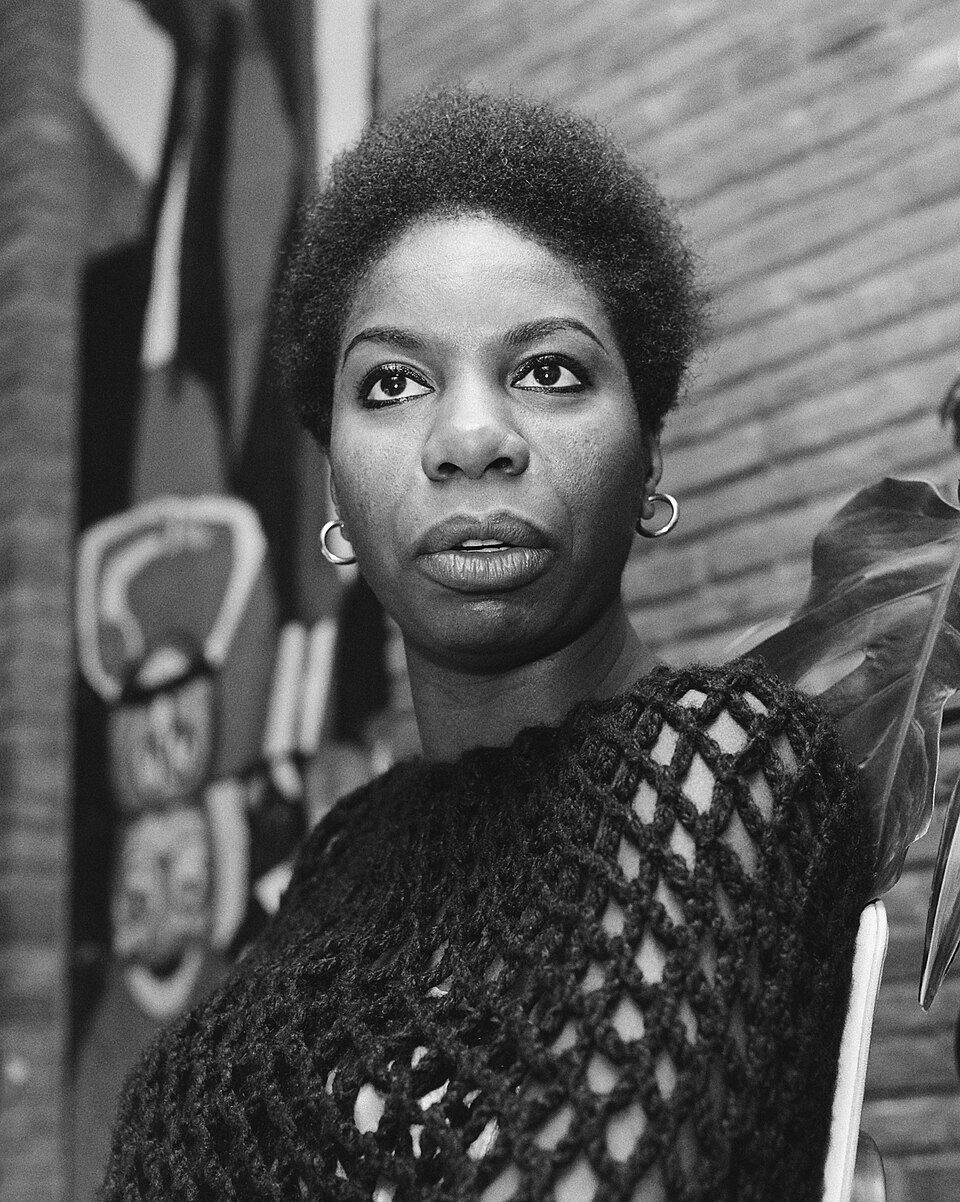
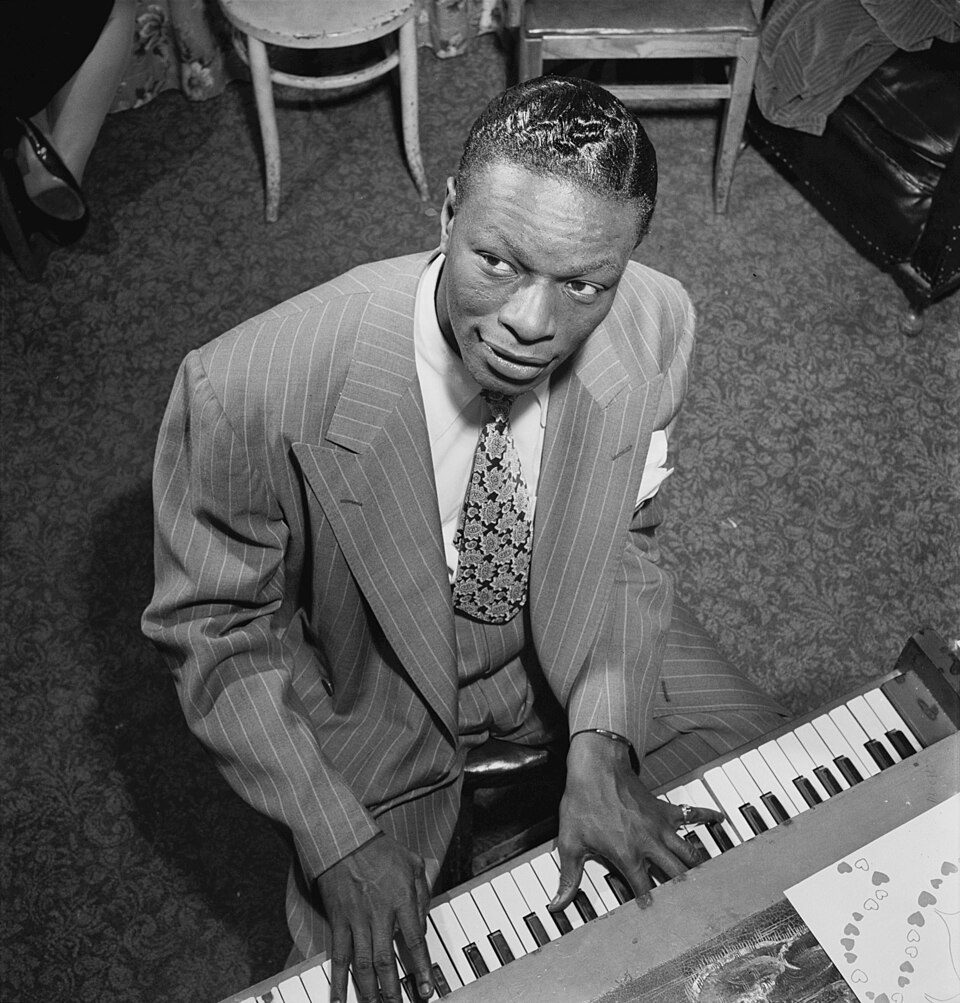
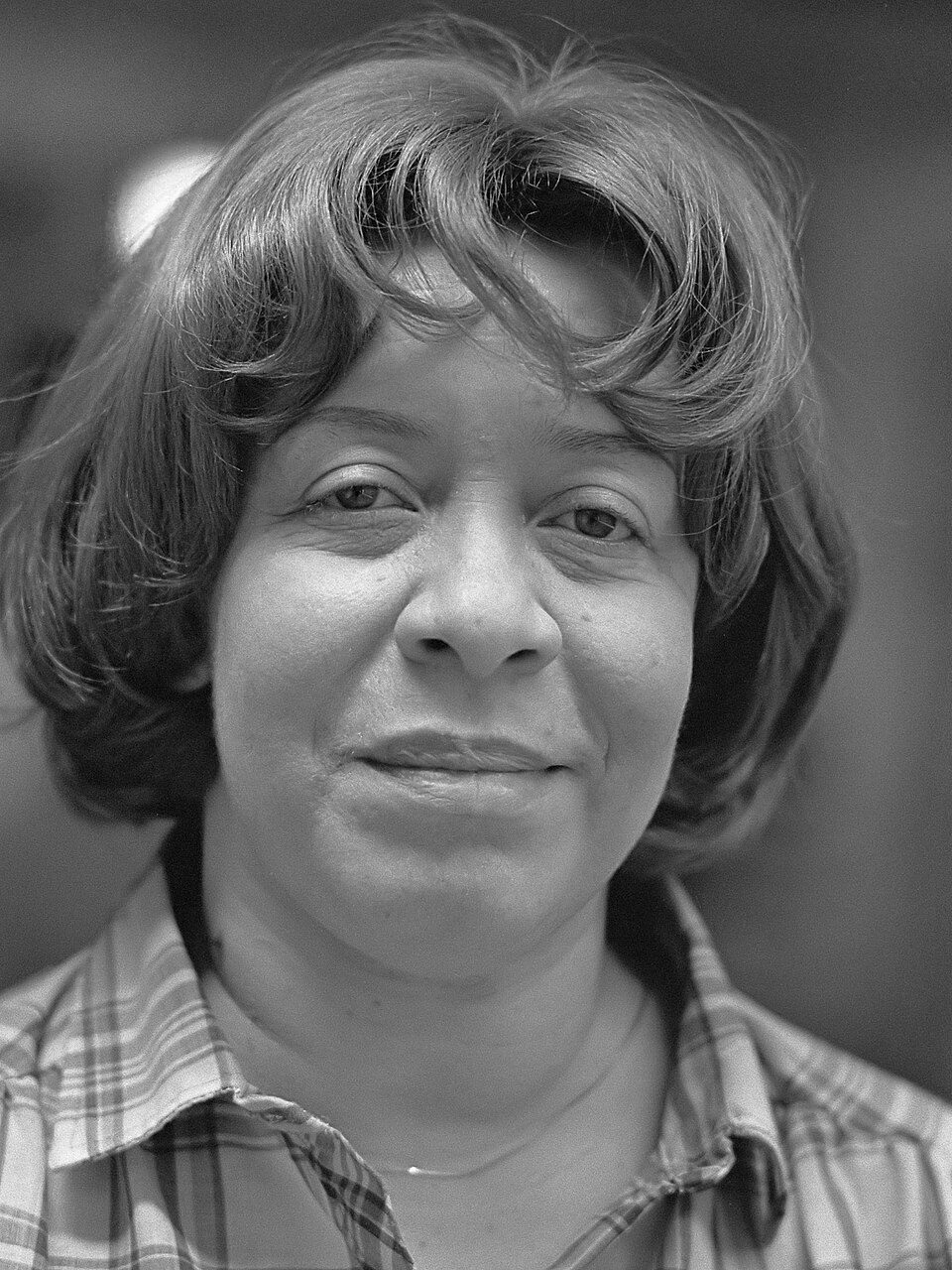
Some of the best-loved jazz singers were pianists first. Nat King Cole led a trio as a pianist for years before his voice made him famous. Shirley Horn accompanied herself on spare, slow ballads that Miles Davis loved. And Nina Simone trained as a classical pianist: she spent the summer of 1950 at the Juilliard School preparing to audition for the Curtis Institute, and when that door closed, took a job singing and playing in a bar. Her classical training is all over her playing. Yours can be too.
Diana Krall, Harry Connick Jr., Jamie Cullum and Norah Jones are more recent singer-pianists worth listening to, with an ear on what the piano does while they sing.




Step 1: Find your key
Lead sheets are written in a key that suits instruments, not necessarily your voice. Singers move songs to fit their range, and nobody minds.
- Find the lowest and highest notes of the melody on the lead sheet.
- Sing the melody in its written key. If the low notes rumble or the high notes strain, it’s the wrong key.
- Try it a few steps up or down until both ends feel easy. Most people are comfortable in a range of about an octave and a half; leave a little room at the top.
- Write the new key at the top of your chart. Then transpose the chords (your circle of fifths from Lesson 4 helps), or let iReal Pro do it.
The Real Vocal Book (Hal Leonard) prints the lyrics with the melody, in high and low voice editions, which saves a lot of transposing. “Autumn Leaves” is in it.
Step 2: Simplify the piano
The most common mistake is trying to play everything you’d play as a solo pianist and sing. The voice is now the melody, so the piano has a smaller job:
- Don’t double the melody in the right hand while you sing. Let the voice carry it.
- Use shells or rootless voicings (Lessons 3 and 6) and play fewer of them: a chord per bar is plenty to start with.
- Keep the chords below your voice. If you sing around middle C, keep the voicings low enough that they don’t sit on top of you. Lower voices especially should avoid thick chords right where they sing.
- Fill the gaps, not the phrases. When you sing, comp quietly. When you take a breath at the end of a line, the right hand can add a short answer: a little lick, a slide, a few notes of the blues scale. That’s the call-and-response from Lesson 9, with yourself.
Step 3: Build it up in layers
Coordination comes in stages. Don’t try the full thing on day one.
- Speak the lyrics in rhythm while your left hand plays one chord per bar. Speaking is easier than singing and frees your attention for the hands.
- Sing the melody over the same simple left hand.
- Add a comping rhythm, such as the Charleston or the anticipation (Lesson 5).
- Add right hand fills in the gaps between phrases.
- Only then add an intro and ending (Lesson 10, Tricks 9 to 11).
If one layer falls apart, go back a step. Many singer-pianists say the hands go onto autopilot after a few weeks and then it suddenly feels natural.
Step 4: Give yourself the first note
Pitching the first note after an intro is a classic stumble. Two fixes:
- End your intro on the V7 chord of the key, and put your starting note on top of the last chord. Hum it quietly if you need to.
- Or play the starting note alone, once, as the last note of the intro. Audiences won’t notice; it sounds like part of the arrangement.
Phrasing: don’t sing it like the dots
Everything from Lesson 5 applies to your voice. Jazz singers rarely sing a melody exactly as written:
- Lay back. Start a phrase slightly late, as if you’re talking. Frank Sinatra and Billie Holiday are the masters of this.
- Change the rhythm of long notes. Shorten some, hold others.
- Swing your eighth notes, long-short, just like the piano.
- Say the words. Clear, conversational diction matters more than a big voice.
A little scat
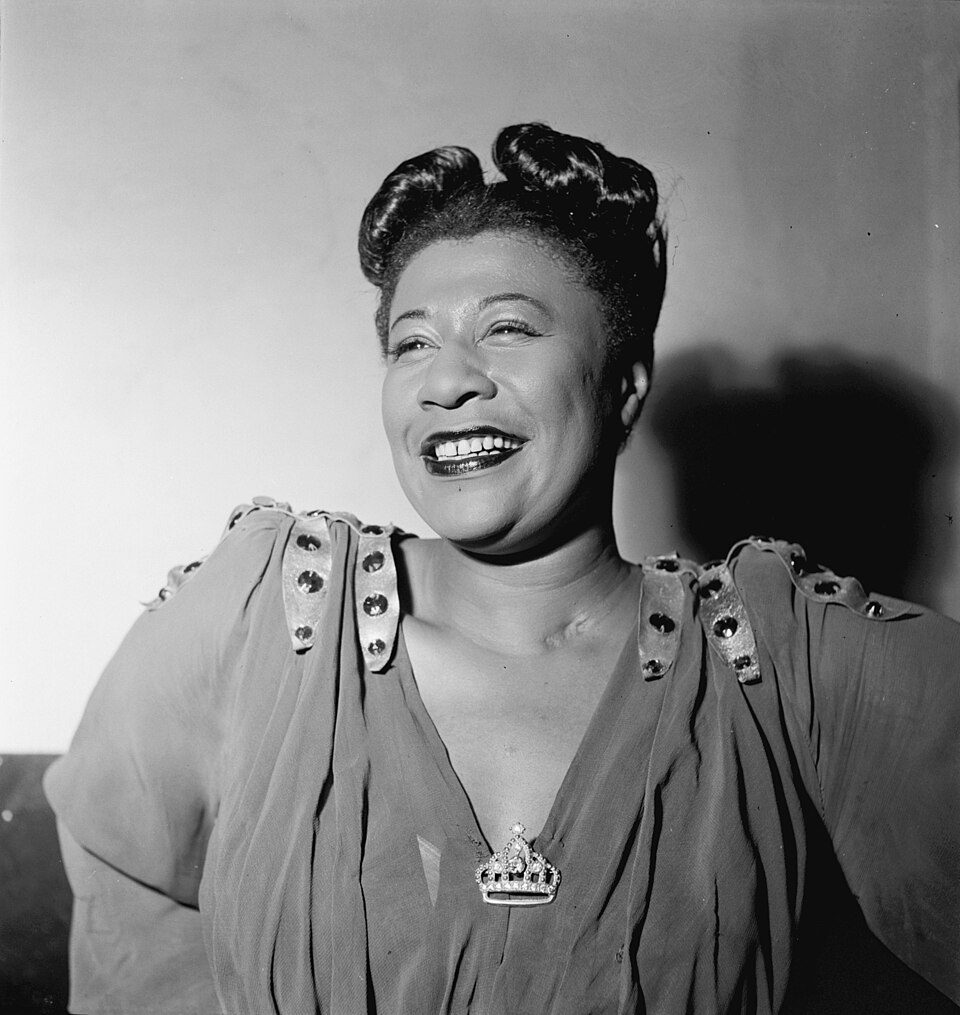
Scat is improvising with the voice on nonsense syllables (“doo-bee-dah”). Ella Fitzgerald is the reference. Start by singing along with your right hand as you improvise: same notes, same rhythm. The Lick (Lesson 9) is a great first scat phrase. Pianists who sing their lines, like Keith Jarrett and Oscar Peterson (both audible on their records), tend to play more singable solos too.
Practical tips
- Posture. Sit tall at the front half of the bench, feet flat, and turn your head slightly out towards the room or microphone. Hunching over the keys squashes your breathing.
- Microphone. On a gig, set the mic on a boom stand so it reaches over the piano without you craning your neck. Keep the piano quieter than you think.
- Warm up for a few minutes before you sing: hums, lip trills and slides. If singing hurts or your voice goes hoarse, stop and rest it. Hoarseness usually settles on its own, but see your doctor if it lasts more than about three weeks (healthdirect: laryngitis).
- Water nearby, and don’t schedule your hardest song first.
Good first tunes for singer-pianists
| Tune | Why |
|---|---|
| “Autumn Leaves” (lyrics by Johnny Mercer) | You already know the chords from Lesson 11 |
| “Fly Me to the Moon” | Circle-of-fifths changes, easy range |
| “Summertime” | Slow, minor, lots of space for fills |
| “Bye Bye Blackbird” | Medium swing, very singable |
| “Georgia on My Mind” | A ballad with a bluesy feel |
| “Route 66” | A 12-bar blues (Lesson 8) with lyrics; a Nat King Cole classic |
Exercise 12
Pick one tune from the table. Find your key (Step 1), write the chords out in that key, and work through Step 3, layers 1 and 2 only: speak the lyrics over one chord per bar, then sing them. Record yourself on your phone. Next week, add a comping rhythm.
Sources
- Wikipedia, Nina Simone: Juilliard summer study and Curtis audition, 1950
- Wikipedia, Nat King Cole and Shirley Horn
- Wikipedia, Scat singing
- Hal Leonard, The Real Vocal Book, Volume I
- healthdirect, Laryngitis: hoarseness lasting more than 3 weeks counts as chronic; see your doctor if it continues